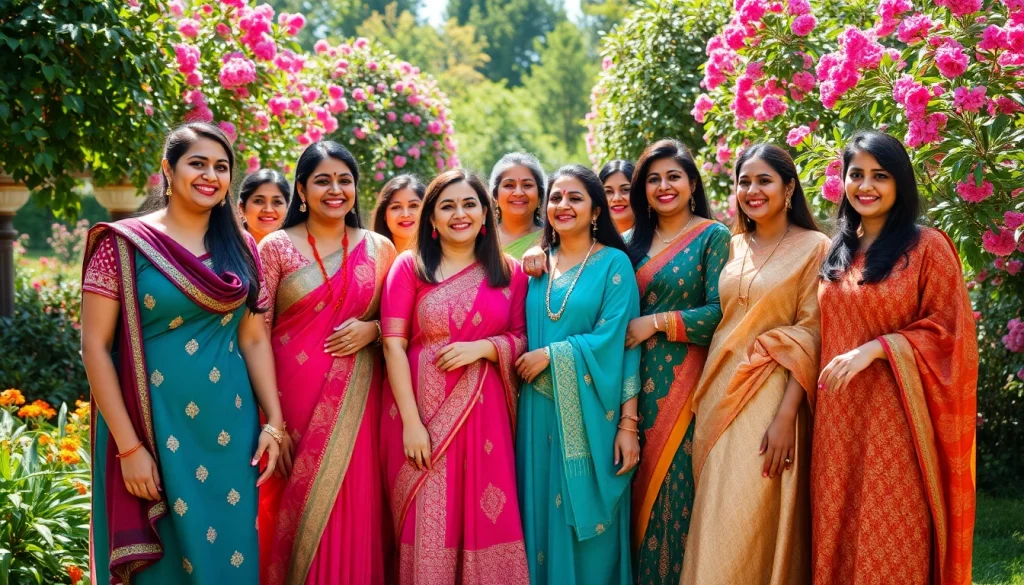

The Charm of Salwar Suits
Salwar suits, a traditional attire synonymous with grace and elegance, are a staple in the wardrobes of many women around the world. Their versatility allows them to be worn for various occasions ranging from casual outings to grand ceremonies. The pakong86 collection embodies this charm, showcasing an impressive range of designs that appeal to contemporary tastes while preserving cultural richness.
1.1 Historical Significance of Salwar Suits
The history of salwar suits traces back to the Indian subcontinent, where they were traditionally worn by women of all ages. Initially, these garments consisted of a tunic known as a ‘kameez,’ paired with loose trousers called ‘salwar,’ and complemented by a dupatta (a long scarf). Over the years, as with many traditional garments, the salwar suit has evolved, integrating modern styles and fabrics while maintaining its cultural significance.
During the Mughal era, the influence of royal culture enriched the design of salwar suits, leading to intricate embroidery and sophisticated fabrics. The British colonial period also played a role in shaping the attire, as Western fashion started influencing local styles. Today, salwar suits are recognized for their adaptability, able to transition from traditional to modern, thus remaining relevant across generations.
1.2 Key Features of Stylish Salwar Suits
Stylish salwar suits are characterized by their rich variety in patterns, materials, and silhouettes. Key features include:
- Fabrics: From cotton and silk to georgette and chiffon, the choice of fabric greatly impacts the overall look. Flowing fabrics add elegance and comfort, while structured materials help provide shape.
- Embroidery and Embellishments: Intricate embroidery, sequins, and beadwork enhance the visual appeal. Traditional hand-embroidery techniques like Zardozi or Resham add a unique touch to each piece.
- Silhouette Variations: The silhouette can vary from straight-cut to Anarkali styles and even contemporary high-low designs, catering to different body types and personal preferences.
- Color Palettes: Vibrant hues, muted tones, and pastel shades cater to various occasions, personal styles, and seasonal trends.
1.3 Social Occasions for Wearing Salwar Suits
Salwar suits are inherently versatile, making them suitable for a myriad of occasions. From weddings and festivals to casual gatherings, these ensembles can adapt to the context as required. Major occasions include:
- Weddings: Lavish wedding functions often see brides and attendees donning heavily embroidered salwar suits, accentuated with traditional jewelry.
- Festivals: During celebrations like Diwali and Eid, women wear festive salwar suits reflecting vibrancy and joy, often adorned with traditional motifs and colors.
- Casual Outings: Lighter materials and simpler designs make salwar suits perfect for gatherings, family functions, or day-to-day wear, providing ease and style.
Exploring Pakong86 Trends in Salwar Suits
The pakong86 collection stands out through its thoughtful curation of styles, appealing to modern women without compromising on tradition. With a focus on innovation, the collection captures the essence of contemporary trends in salwar suits.
2.1 Popular Styles in the Pakong86 Collection
Current trends in the pakong86 collection embrace an amalgamation of traditional aesthetics with modern cuts. Some of the most popular styles include:
- Anarkali Suits: With their flowing silhouette and intricate designs, Anarkali suits have become favorites for festive occasions.
- Pant Suits: These stylish variations pair tunics with fitted pants for a contemporary look, offering comfort without losing style.
- Shararas and Gararas: These ensemble styles have seen a resurgence, offering a regal flair suited for celebrations.
2.2 Fabric Choices: Comfort Meets Style
Choosing the right fabric is paramount when selecting a salwar suit. The pakong86 collection excels in providing various fabric options:
- Cotton: Ideal for everyday wear, cotton suits are breathable and comfortable, perfect for hot weather.
- Silk: Silk salwar suits are luxurious and often chosen for special occasions due to their elegance.
- Chiffon and Georgette: These flowy fabrics give a graceful appearance and are frequently used in evening wear and celebratory outfits.
2.3 Accessorizing Your Salwar Suit
Accessorizing is essential to complete the look of a salwar suit. The pakong86 collection encourages experimentation with different accessories:
- Jewelry: Opt for statement pieces, such as jhumkas (earrings), chokers, or bangles, that complement the outfit’s fabric and color.
- Footwear: Juttis, kolhapuris, or elegant heels can elevate the entire ensemble, balancing tradition with modern flair.
- Dupatta Styles: The dupatta can be styled in various ways, such as draped, tied, or even wrapped to create a personalized touch.
How to Choose the Right Salwar Suit
Choosing the perfect salwar suit requires a mix of personal style and knowledge of body type, color preferences, and current trends. Here are crucial considerations.
3.1 Understanding Body Type and Fit
The fit of a salwar suit can dramatically affect how it looks when worn. Understanding your body type is essential to choosing the right silhouette:
- Hourglass: Most styles will suit an hourglass figure; Anarkalis and fitted suits enhance curves beautifully.
- Apple Shape: Opt for straight-cut or A-line suits which can create a streamlined appearance.
- Pear Shape: A-line suits work well, drawing attention to the upper body while providing ease around the lower half.
3.2 Color Palettes that Flatter
Color plays a critical role in how a salwar suit transforms a look. When selecting colors, consider:
- Skin Tone: Understand your undertone—cool, warm, or neutral—to choose shades that enhance your complexion.
- Seasonal Trends: Stay updated on seasonal colors, such as pastels in spring and deeper hues in fall and winter.
- Occasion Appropriateness: Bright colors might be preferred for celebrations, while muted tones might suit formal events better.
3.3 Mixing Tradition with Modern Trends
Combining traditional elements with modern styles is a hallmark of contemporary fashion. Gorgeous contrasts in styles can be achieved by:
- Mixing Patterns: Neutral patterns combined with bold prints can yield a stunning ensemble.
- Layering: A traditional suit can be modernized with a contemporary jacket or cape.
- Footwear Choices: Swap traditional juttis for trendy sneakers to give your look an edge.
Buying Guide for Salwar Suits
Purchasing salwar suits, especially from collections like pakong86, requires some thought to ensure you choose well-made and stylish options. Follow this guide for smart buying tips.
4.1 Where to Buy Pakong86 Salwar Suits
Several options are available for purchasing salwar suits, including:
- Online Stores: E-commerce platforms provide a wide range of options, allowing you to browse at your leisure. Pay attention to right-fit guarantees and return policies.
- Brick-and-Mortar Stores: Visiting physical stores allows you to try before you buy. Choose reputable boutiques known for quality.
- Local Markets: Explore local markets for unique designs that may not be available online. It’s also a great way to support local artisans.
4.2 Online Shopping Benefits and Tips
Shopping online has its benefits, including:
- Wide Selection: Access various styles, sizes, and fabrics from multiple brands.
- Convenience: Shop from the comfort of home without the need to travel.
- Price Comparisons: Easily compare prices and features across platforms.
- Customer Reviews: Utilize reviews to gauge the quality and fit of items.
However, it is essential to verify the credibility of the online store to avoid issues with fraudulent sites.
4.3 Pricing Insights for Quality Salwar Suits
Understanding the pricing of salwar suits can help make informed purchases:
- Budget-Friendly: Basic cotton suits start at lower price points, usually ranging from $20 to $50.
- Mid-Range: Semi-formal suits with embroidery and embellishments typically fall between $50 and $150.
- Luxe Selection: High-end designer suits can command prices exceeding $200, often incorporating luxurious fabrics and craftsmanship.
Care and Maintenance of Salwar Suits
To ensure your salwar suits last for many years, proper care and maintenance are essential. Here are some effective strategies.
5.1 Best Practices for Fabric Care
Each fabric requires specific care techniques. Here’s a general guide:
- Cotton: Machine wash in cold water and line dry to prevent shrinkage.
- Silk: Hand wash or dry clean as necessary to maintain luster.
- Embellished Fabrics: Always check for specific care labels; often, dry cleaning is the safest option to preserve designs.
5.2 Storing Salwar Suits to Prevent Damage
Proper storage techniques can prevent wear and damage:
- Use Breathable Covers: Store suits in breathable cotton bags rather than plastic to avoid moisture trapping.
- Organize by Type: Organize your wardrobe categorically; this makes it easier to avoid unnecessary handling of garments.
- Avoid Overcrowding: This can help prevent wrinkles and allow fabric to maintain its shape.
5.3 Tips for Long-lasting Wear and Tear Solutions
To maximize the longevity of your salwar suits:
- Regular Maintenance: Inspect for loose threads or minor tears regularly and mend them swiftly.
- Ironing Techniques: Use a low heat setting; for delicate fabrics, consider using a cloth barrier.
- Occasional Professional Cleaning: Depending on usage, periodic professional care may be required to maintain their condition.
